
What Driving Test Preparation Actually Involves
Independent driving forms a significant part of the test, and preparation usually includes extended periods of following directions, road signs or a satnav with minimal instructor input. This mirrors the assessment itself and helps learners get comfortable making their own decisions without the reassurance of constant guidance, which can otherwise be a source of nerves on the day.
Observation and awareness are often the areas that need the most refinement at this stage, since many learners can perform manoeuvres correctly but hesitate or miss checks under the added pressure of being assessed. Preparation typically involves reinforcing consistent mirror checks, shoulder checks and correct timing at junctions until they become automatic rather than something the learner has to consciously remember.
Working with a driving instructor in Morden who understands the local test routes and common local hazards can make this stage more effective, since preparation can be tailored to the kinds of situations a learner is actually likely to face, rather than covering every possible scenario in equal depth.
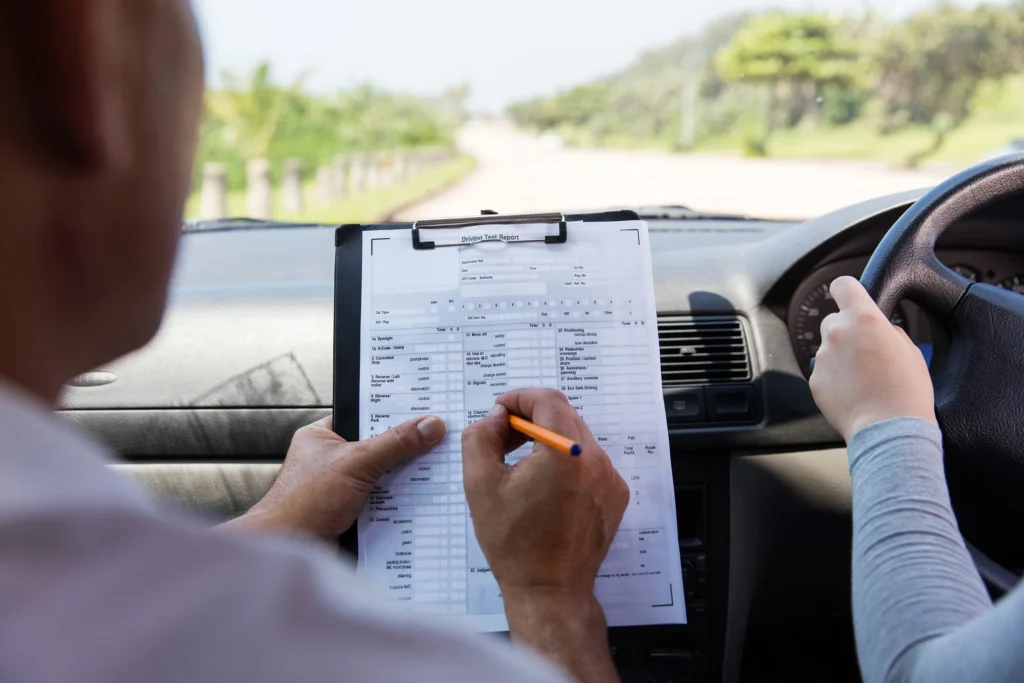
Mock tests are one of the most useful tools available during test preparation because they simulate the format, pressure and structure of the real assessment. A mock test typically covers the same elements as the actual practical test, including manoeuvres, independent driving and general observation, allowing both the learner and the instructor to see how skills hold up under more realistic conditions.
The value of a mock test lies partly in exposing the difference between relaxed practice and assessed performance. Many learners drive confidently during ordinary lessons but become noticeably more hesitant once they know they're being formally assessed, even informally. Identifying this gap early gives time to address it before the actual test, rather than discovering it for the first time on the day.
The Role of Mock Tests
Feedback from a mock test is usually most useful when it's specific rather than general. Rather than a broad sense of "doing well" or "needing improvement," a well-run mock test should highlight particular moments, such as a missed mirror check at a specific junction type or hesitation during a certain manoeuvre, so that remaining lessons can be focused precisely where they're needed.
Timing a mock test appropriately matters. Running one too early, before core skills are established, tends to produce results that don't reflect genuine readiness and can be discouraging without being useful. Running one closer to the test date, once a learner is performing consistently well in normal lessons, gives a much clearer and more actionable picture of readiness.
Some learners benefit from more than one mock test, particularly if the first reveals areas needing further work. This isn't a sign of being unprepared; it simply reflects a sensible approach to using available time before the test to address whatever genuinely needs attention, rather than assuming one attempt is sufficient.
Observation faults at junctions are among the most frequent reasons learners don't pass on their first attempt, often involving incomplete mirror or shoulder checks before moving off, changing lanes or turning. These faults can happen even when a learner otherwise drives competently, simply because checks become inconsistent under the pressure of the test itself.
Positioning errors, particularly on roundabouts and at complex junctions, are another common issue. This might involve being in the wrong lane for a particular exit or drifting within a lane during a manoeuvre. These errors often stem from a lack of exposure to a wide enough variety of junction types during earlier lessons, which is why varied practice matters during preparation.
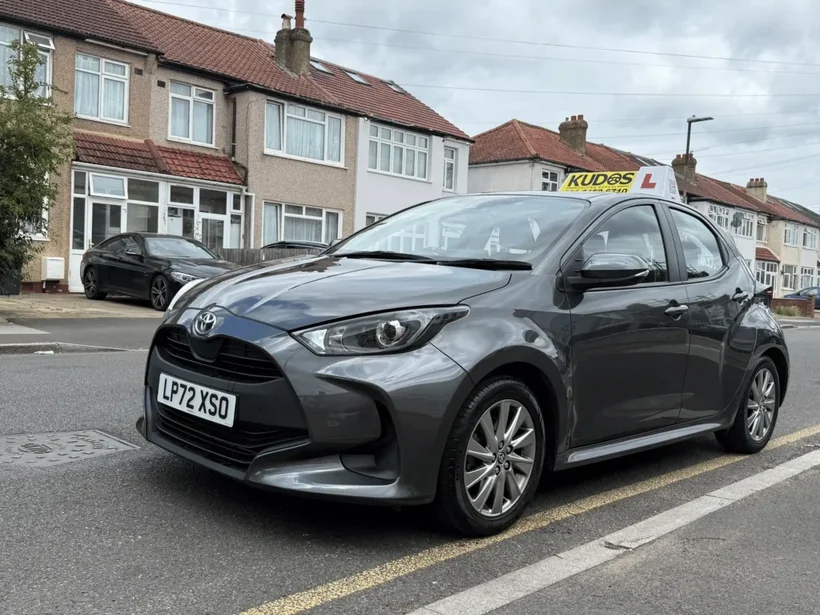

Common Reasons Learners Don't Pass First Time
Hesitation during manoeuvres, especially reverse parking and pulling away at junctions, is a frequent contributor to test faults. This is sometimes less about ability and more about confidence, with learners second-guessing decisions they'd normally make without hesitation during ordinary lessons. Building familiarity with manoeuvres in varied, realistic conditions helps reduce this kind of uncertainty.
Independent driving faults, such as missing a turn or reacting slowly to a road sign, are also common, particularly for learners who haven't had much practice navigating with minimal prompting. Since this section relies on the learner making their own decisions, it benefits from specific, repeated practice rather than being treated as a natural extension of normal driving.
Recognising these common patterns doesn't mean every learner will experience them, but understanding where test faults typically occur allows preparation to be more targeted. Addressing these areas specifically, rather than practising everything equally, tends to make the final stretch of lessons more productive.
Test readiness is best judged by consistency rather than occasional good performance. A learner who drives well most of the time but still makes unpredictable errors under certain conditions, such as busy junctions or unfamiliar roads, may benefit from further preparation before booking, even if they've had a good lesson recently.
Confidence during independent driving is a useful indicator of readiness, since this section requires a learner to make ongoing decisions without step-by-step guidance. A learner who can follow directions or navigate using road signs calmly, without needing frequent reassurance, is generally in a stronger position than one who still relies heavily on instructor prompts.
How to Judge Whether You're Ready
Performance on manoeuvres should be reasonably reliable across different locations, not just the specific spots practised most often. If a learner can only perform a manoeuvre well in one familiar location, this often indicates the skill hasn't fully transferred yet, and further practice in varied settings tends to be more useful than repeating the same spot.
An instructor's assessment, informed by regular lessons and mock test results, is usually the most reliable way to judge readiness, since it's based on consistent observation over time rather than a single session. This kind of ongoing feedback tends to give a more accurate picture than a learner's own sense of confidence, which can fluctuate day to day.
Booking a test date should generally follow a period of consistent, reliable performance rather than being set as a fixed goal from the outset. Setting a date too early can add unnecessary pressure to the final stage of learning, whereas booking once readiness is genuinely established tends to lead to a calmer, more focused final few lessons.
Working with a driving school in Morden for this stage of learning offers the advantage of local knowledge, including familiarity with the general types of roads, junctions and traffic conditions learners are likely to encounter. This allows preparation to be genuinely relevant rather than generic, since practice can reflect the kinds of situations a learner will actually face.
Consistency with the same instructor throughout test preparation tends to be beneficial, since it allows lessons to build directly on previous feedback rather than starting from scratch each time. An instructor who has worked with a learner over several lessons is also better placed to notice small but important changes in confidence or technique as the test approaches.

Getting the Right Support From a Morden Driving School
Whether someone has been having morden driving lessons for a while or is searching for a driving school near me specifically for focused test preparation, the key consideration is finding tuition that adapts to where the learner currently stands, rather than following an identical structure for every candidate regardless of ability.
Some learners choose to combine ongoing weekly lessons with a short, intensive block of preparation closer to their test date, while others prefer a steady pace throughout. Both approaches can work well, and the right choice often depends on how a learner responds to concentrated practice versus more gradual reinforcement over time.
Cost during this stage typically depends on factors such as lesson duration, whether additional mock tests are booked, and how many extra lessons are needed to address specific weak areas. Rather than a fixed price for "test preparation," costs reflect the amount and type of tuition required, which varies from one learner to another depending on where they're starting from.
Driving lessons in Raynes Park give learners a practical route into confident, safe driving, using the local roads, junctions and traffic conditions found in this part of southwest London as the foundation for learning. Kudos Driving School structures lessons around this environment, helping learners build skills step by step rather than following a generic course that could apply anywhere. As part of a wider local service, Kudos also runs driving lessons in Morden, meaning learners across the area benefit from instructors familiar with a broad stretch of nearby roads.
This approach is relevant to a range of learners, including complete beginners starting from scratch, more experienced learners continuing lessons locally, and nervous learners who feel more comfortable practising close to home before tackling unfamiliar areas. It also suits learners preparing for an upcoming practical test, as well as those returning to driving after a break and wanting a refresher before committing to a full course. Anyone searching for a driving school near me in this part of southwest London will find lessons designed around genuinely local conditions rather than a one-size-fits-all approach.
Learning to Drive Around Raynes Park and Morden
The sections below cover what learning to drive in Raynes Park typically involves, from the type of roads and junctions learners will encounter to how lessons are usually structured and paced. It also looks at the choice between manual and automatic tuition, what test preparation involves locally, and practical considerations around scheduling. Where relevant, this also touches on coverage across Morden, since many learners in the area move between both locations during their lessons.
Raynes Park sits close to Morden, and instructors covering this area often teach across both, giving learners the benefit of a wider range of road types, junctions and traffic conditions within a single course of lessons. This connected coverage means learners searching for driving lessons Morden or driving lessons in Raynes Park are often supported by the same local instructors, with lessons adapted to whichever roads suit the learner's current stage best. The following sections explain this in more detail.
Raynes Park's roads offer a genuinely varied mix of driving conditions, from quieter residential streets to busier routes near the town centre and local transport links. This variety is useful early in a learner's progress, since it allows instructors to introduce new skills gradually, starting on calmer roads before building up to situations that demand quicker decision-making and greater awareness of surrounding traffic.
Because Kudos Driving School also operates as a Morden driving school, many learners benefit from lessons that draw on both areas. This wider coverage means a learner isn't limited to a small local loop of familiar streets, but instead gets exposure to a broader set of junctions, roundabouts and traffic patterns across neighbouring roads, which supports more well-rounded driving skills overall.
Junctions and roundabouts are a regular feature of driving in this part of southwest London, and building confidence here takes repeated, structured practice. Learners are typically introduced to simpler junctions first, gradually progressing to busier or multi-lane roundabouts as their observation skills and timing improve, rather than being expected to manage complex junctions before they're ready.


.webp)