
What Nervous Driver Lessons in Morden Involve
Instructors teaching nervous learners typically use clear, calm communication throughout, avoiding sudden instructions or raised voices even when a learner makes a mistake. Explaining what went wrong calmly, and why, tends to help nervous learners recover their composure more quickly than being corrected sharply. This kind of consistent, steady communication style is often one of the most valued aspects of nervous driver tuition.
Breaks during lessons are used more deliberately with nervous learners, allowing time to pause, reset and talk through any worries that arise mid-lesson rather than pushing through discomfort. Some learners find it helpful to stop briefly after a stressful moment, such as a difficult junction or an unexpected hazard, before continuing rather than moving straight on to the next task. Instructors experienced with nervous learners will usually offer this without needing to be asked.
Progress is generally measured differently for nervous learners, with success defined by growing comfort and reduced anxiety as much as by technical skill. A lesson where a nervous learner manages a previously difficult junction calmly, even slowly, is often considered more valuable than one that covers more ground but leaves the learner shaken. This shift in how progress is judged is a key part of what makes nervous driver lessons genuinely different from standard tuition.
Nervousness behind the wheel can show up in several ways, and recognising these signs early allows lessons to be adjusted accordingly. Physical signs might include gripping the steering wheel tightly, shallow breathing, or visible tension in the shoulders and arms, all of which can affect smooth vehicle control. Instructors experienced with nervous learners will often notice these signs before the learner mentions feeling anxious and will adjust the pace of the lesson in response.
Hesitation at junctions and roundabouts is another common pattern among nervous learners, often driven by a fear of misjudging a gap in traffic or making a mistake in front of other drivers. Rather than simply repeating the same junction until it feels comfortable, instructors typically break the skill down into smaller steps, focusing first on observation, then timing, and finally on committing to a decision once the gap has been judged correctly. This step-by-step approach reduces pressure while still building the underlying skill.
Common Signs of Driving Nerves and How Lessons Respond
Some learners experience heightened anxiety specifically around busier roads or higher traffic volumes, even if they feel reasonably confident on quiet streets. In these cases, lessons are often structured to build up gradually, starting with slightly busier roads for short stretches before increasing exposure over several lessons, rather than moving straight from quiet streets to significant traffic. This gradual exposure tends to be more effective than avoiding busy roads altogether, since some level of practice is needed to build genuine confidence.
A previous negative experience, whether a difficult lesson, a failed test, or an unpleasant incident on the road, can also be a significant source of nervousness. Instructors will often ask directly about any past experiences that might be affecting confidence, since understanding the root cause allows lessons to address the specific concern rather than treating all nervousness the same way. Talking through what happened previously, without judgement, can itself be a useful first step towards moving past it.
General anxiety about driving, without a specific triggering event, is also common and does not need a particular explanation to be taken seriously. Some learners are simply more cautious by nature, and lessons can be structured around this temperament just as effectively as around a specific fear. Recognising that nervousness is a valid and manageable part of learning to drive, rather than something to push through quickly, tends to produce better long-term results.
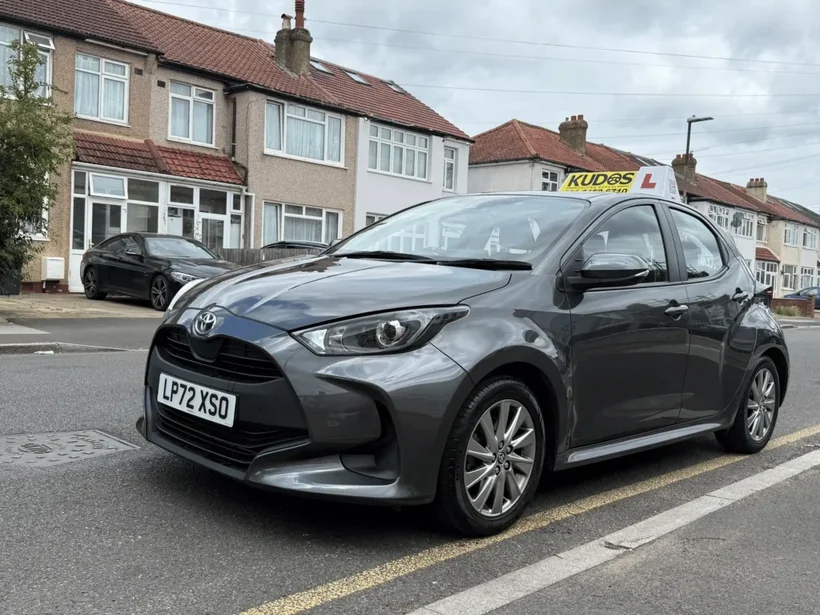
Finding the right instructor matters more for nervous learners than it might for a naturally confident one, since teaching style has a direct effect on how safe and supported a nervous learner feels during lessons. A patient, calm instructor who does not rush explanations or express frustration at repeated mistakes is generally better suited to nervous learners than one focused purely on covering ground quickly. It is worth discussing this directly when arranging lessons, so expectations are clear from the outset.
Experience specifically with nervous learners is a genuinely useful indicator when choosing an instructor, since the skills involved in teaching nervous drivers differ somewhat from teaching confident beginners. An instructor used to working with anxious learners will typically have a set of practical techniques already in place, such as breaking skills into smaller steps or using calmer language during stressful moments, rather than needing to adapt their usual approach on the spot.

Choosing a Patient Instructor for Nervous Learners
Communication style is particularly important throughout lessons with nervous learners. Instructors who explain what is about to happen before it happens, such as warning that a busy junction is coming up and talking through the plan in advance, tend to reduce anxiety more effectively than those who expect the learner to react to situations as they arise. This kind of forward-looking communication gives nervous learners a sense of preparation and control.
It is reasonable for a nervous learner to ask questions before booking, such as how the instructor typically handles a learner who becomes visibly anxious during a lesson, or whether lessons can be paused if needed. A driving school that welcomes these questions and answers them honestly is generally a positive sign, since it suggests genuine experience supporting nervous learners rather than treating the request as unusual.
Building trust with an instructor takes time, and nervous learners often benefit from sticking with the same instructor throughout their course rather than switching between different teachers. Consistency allows the instructor to understand a specific learner's triggers and progress over time, and allows the learner to build familiarity and trust that would otherwise need to be rebuilt with someone new.
Morden includes a mix of quiet residential streets, local shopping areas with moderate pedestian activity, and busier roads leading towards surrounding areas, which gives nervous learners a genuinely useful range of conditions to build confidence in gradually. Early lessons typically make use of the calmer residential streets, allowing a nervous learner to focus on basic vehicle control and simple junctions without the added pressure of heavy traffic or complex road layouts.
As confidence grows, lessons can move towards slightly busier local roads, introducing more traffic and a wider range of junction types while still avoiding the most demanding conditions until the learner feels ready. This gradual approach allows nervous learners to experience genuine progress at each stage, rather than feeling overwhelmed by a sudden jump in difficulty between lessons.
Building Confidence on Morden's Roads
Roundabouts and multi-lane junctions are often a specific source of anxiety for nervous learners, and these are typically introduced only once basic junction skills and observation are well established. Breaking roundabouts down into individual steps, such as approach, observation, timing and commitment, tends to make them feel more manageable than treating them as a single overwhelming skill to master all at once.
Parking and manoeuvres are practised in quieter, more predictable settings where possible, giving nervous learners space to focus on coordination and observation without the added pressure of an audience or heavy surrounding traffic. Building manoeuvre skills in this kind of calmer environment first, before practising them under more realistic conditions, tends to help nervous learners feel more prepared when a similar manoeuvre needs to be performed during a test.
Exposure to busier local traffic is generally introduced towards the later stages of a nervous learner's course, once the fundamentals feel secure and confidence has been built steadily over previous lessons. Rather than avoiding this exposure altogether, working through it gradually and with clear support from an instructor tends to leave nervous learners better prepared for the reality of driving independently after passing their test.
Nervous learners can choose between manual and automatic lessons in Morden, and this decision can make a genuine difference to how comfortable early lessons feel. Manual lessons involve coordinating clutch control and gear changes alongside every other driving skill, which some nervous learners find adds an extra layer of pressure during a stage when they are already feeling anxious about basic vehicle control. Automatic lessons remove this element, allowing more concentrated focus on steering, observation and confidence-building without the added coordination demands of a clutch.
For some nervous learners, removing clutch control from the equation genuinely reduces the mental load of early lessons, allowing more attention to be given to managing anxiety and building basic confidence. This can make automatic lessons a sensible starting point for learners who feel that coordination difficulties are likely to add to their existing nervousness rather than help manage it.

Manual or Automatic: Which Suits Nervous Learners
Other nervous learners prefer to stick with manual lessons, either because they want the flexibility of a full manual licence in future, or because they find that mastering clutch control gradually, alongside patient instruction, becomes a genuine confidence builder in itself. There is no single right answer here, and the decision should be based on what feels more manageable for the individual learner rather than any general rule about which option suits nervous drivers better.
It is worth discussing this choice openly with an instructor before starting lessons, since switching from manual to automatic partway through a course generally means restarting certain aspects of training. A patient instructor will typically talk through both options honestly, without pushing a nervous learner towards one choice over the other, and will support whichever decision feels right for that individual.
Ultimately, neither manual nor automatic lessons are inherently better suited to nervous learners as a group, since individual anxiety triggers vary considerably from person to person. What matters more than the transmission type is the pace, patience and communication style of the lessons themselves, which is why choosing the right instructor tends to have a greater impact on a nervous learner's experience than the manual-versus-automatic decision alone.
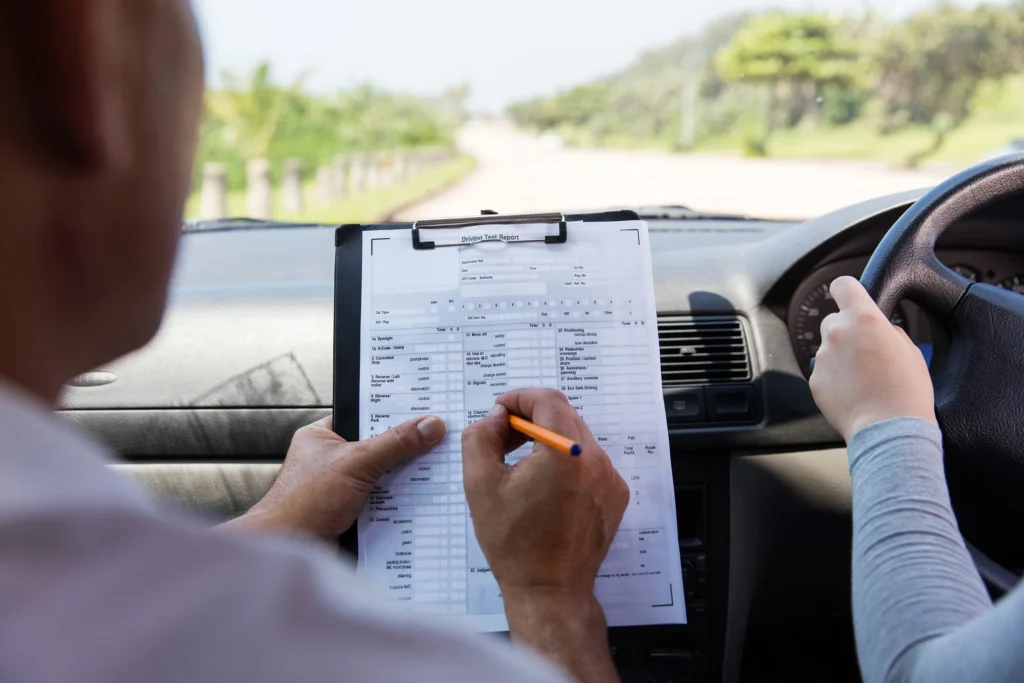
Test preparation for nervous learners is approached with particular care, since test-day anxiety can affect even learners who drive competently and calmly during ordinary lessons. Instructors typically introduce mock test conditions gradually, allowing a nervous learner to experience the format and pressure of a real test in smaller, more manageable stages rather than facing the full experience unexpectedly for the first time on the actual test day.
Building familiarity with the test format itself can help reduce anxiety considerably, since understanding exactly what to expect, including the show-me-tell-me questions, at least one manoeuvre, and a period of independent driving, removes some of the uncertainty that often fuels nervousness. Instructors will usually talk through each part of the test clearly well before a mock test takes place, so nothing about the format itself comes as a surprise.
Preparing Nervous Learners for the Practical Test
Practical strategies for managing nerves on the day are often discussed as part of test preparation, such as arriving with enough time to settle before the test starts, using slow, steady breathing if anxiety rises during the drive, and reminding oneself that minor hesitation is not automatically a test failure. These strategies are generally most effective when practised during mock tests beforehand, rather than being introduced for the first time on the day itself.
Deciding when a nervous learner is ready to book a test requires particular judgement, since technical driving ability and test-day confidence do not always develop at the same pace. An instructor experienced with nervous learners will usually wait until a learner demonstrates consistent, calm performance across a range of situations during mock tests, rather than booking a test purely because a set number of lessons have been completed.
If a test does not go to plan, this is generally treated as a normal part of the learning process for nervous learners rather than a setback that undermines everything achieved so far. Instructors will usually go through what happened calmly, identify whether nerves or a genuine skills gap were the main factor, and adjust the next stage of preparation accordingly, since many nervous learners go on to pass successfully once test-day anxiety itself has been addressed directly.
Driving test preparation in Morden focuses on the specific skills and habits examiners assess during the practical test, moving beyond general driving practice into more targeted, test-focused training. This typically involves mock tests, refining manoeuvres, tightening observation habits, and building the consistency needed to perform well under test conditions rather than only during relaxed lessons. It's a distinct stage of learning that usually follows on once the basics of vehicle control are well established.
This kind of preparation is most relevant to learners who've already been through a course of driving lessons in Morden and have a solid grasp of core skills but want to sharpen specific areas before booking a test. It also suits learners who've had a previous test attempt and want to address particular weaknesses, as well as those who feel generally capable but are unsure whether they're genuinely ready to sit the test.



.webp)